

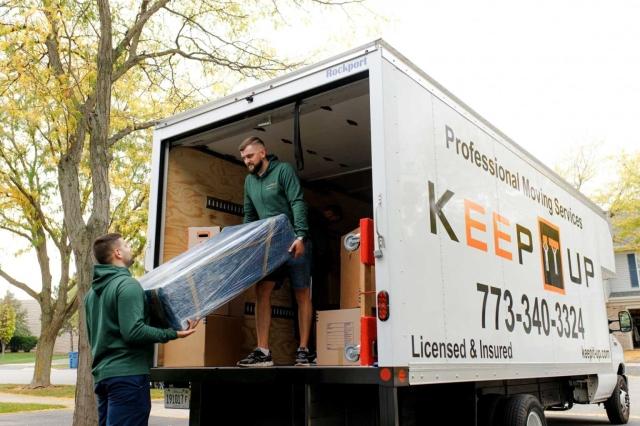
Are you planning a move and thinking of hiring professional residential movers? Read this blog till the end to know how movers handle local vs. long-distance moves.
Transitioning to a new house or an entirely new city comes with a different set of challenges. Moving challenges depend on the nature of your relocation, which is either a local or a long-distance move.
If you are planning to move to an entirely new city, you definitely have to handle more than someone moving across the same city.
In this blog, we'll walk through how movers handle local vs. long-distance moves and why hiring professionals can help ensure a stress-free move.
How Movers Handle Local vs. Long-Distance Moves
Here are the key differences between local vs. long-distance moves and how professional residential movers handle them, ensuring a hassle-free experience.
How Professional Movers Handle Local Moves
Local moving typically involves relocating within a specific city or the nearby areas, often within a 50-mile radius of your current location.
Local moves are all about efficiency and timing. Since the destination is close, movers can focus on speed, coordination, and careful handling.
1. Planning and Scheduling
Local moves are usually completed in a single day. Because time matters, crews often work on an hourly basis. They access your belongings and plan the most efficient route and strategy.
Movers plan:
- Quick loading and unloading times
- Parking logistics at both locations
- Elevator reservations or stair access
2. Packing
Professional movers use proper materials and specialized techniques to pack everything from fragile items to heavy furniture in a local move.
Movers may:
- Pack items room by room
- Use reusable moving blankets instead of heavy-duty crates
- Load items in the order they'll be unloaded
These specialized approaches reduce handling time and lower costs.
3. Transportation and Delivery
They use well-maintained vehicles and plan routes to avoid traffic for timely delivery. The truck goes directly from the old home to the new location. If something shifts during transport, it's corrected right away.
How Movers Handle Long-Distance Moves
Long-distance moves require a completely different mindset. They're more about planning, protection, and coordination over time.
1. Detailed Pre-Move Planning
Movers start planning weeks before the move, and create a comprehensive list of all the items, ensuring nothing gets lost during transportation.
Movers create:
- Inventory lists and documentation
- Weight-based cost estimates
- Route planning across states
2. Advanced Packing Techniques
When items are traveling hundreds or thousands of miles, packing becomes critical. They use high-quality materials like bubble wrap and sturdy boxes, and employ specialized packing techniques to ensure all fragile and heavy items reach the destination safely.
Movers use:
- Sturdy boxes and reinforced cartons
- Protective wrapping for furniture and fragile items
- Custom crating for valuables
3. Transportation and Tracking
Unlike local moves, long-distance relocations require advanced tracking vehicles to get real-time updates. Trained teams load items efficiently to prevent them from shifting or getting damaged during the move.
Long-distance relocation may involve:
- Scheduled delivery windows
- Shared truck space or dedicated trucks
- Temporary storage if timelines don't align
Key Differences Between Local vs. Long-Distance Moves
Here's a simple breakdown of how movers handle local vs. long-distance moves:
- Timeframe: Local moves are usually completed in one day, and long-distance moves take several days or weeks.
- Cost: Local moves cost less on an hourly basis, whereas long-distance moves are more expensive based on weight and distance.
- Packing: Local moves require basic protection, but long-distance moves require pro-level packaging for safer transit.
- Logistics: Local moves require fewer logistics. On the other hand, long-distance moves require detailed, complex planning.
- Risk: Long-distance moves have a higher risk of damage compared to local moves.
Whether you are planning a local or a long-distance move, understanding these differences will help you prepare mentally and financially for the move.
The Bottom Line
Now that you know how movers handle local vs. long-distance moves and the key differences, from planning and packing to timeframe, cost, and risk management, you can make a well-informed decision. Whether you are planning a local or a long-distance move, it is best to hire professionals for a hassle-free, timely move.
At Keep It Up Moving, our licensed and insured best movers in Chicago handle everything from packing and unpacking to uploading and unloading of your belongings, committed to providing a hassle-free moving experience.
Get in touch with us today for a smoother, safer, and stress-free move.
Disclaimer: This content is for informational purposes only and is written by a professional content writer. Contact us to learn more about moving services.